What You Will Need
You will be using the orange rinds so the number of oranges that you need will will be based on how much oil that you wish to produce and also how strong you want the oil to be. Feel free to save orange peels and store them in the refrigerator until you are ready to make your oil. If using whole oranges, don’t let the rest of the fruit go to waste. Use it to make fresh orange juice. You can even add some of your orange essential oil to the juice for a boost in flavor.
When choosing oranges, look for a fully ripe orange without any green or overly soft spots. Wash the oranges well to remove any of the waxy build-up that may be present from the shipping process. Remove any flesh from the rind or else the oil may start to develop bacteria. The white part on the inside of the rind is safe to use and actually contains many of the beneficial components of orange oil.
You can use any grater that you have in your kitchen already. Make sure that the blades are not dull. You don’t want to struggle to grate each orange, since you will be grating quite a few. Try to use a grate that will create the smallest pieces. Smaller pieces yield more surface area which will result in more flavor and potency in your oil.
This is what you will make the oil in so make sure that it is big enough to hold all of your orange rinds and oil. It should also have a tight fitting lid. You can use an old food container as long as it has been cleaned thoroughly. A canning jar would be ideal.
Lighter weight oils are recommended when making orange oil. Extra virgin olive oil is a great option for most uses of orange oil but if you are planning on using your oil for mostly cooking, sunflower oil may be a better option since it is a little more hearty.
- Mesh Strainer/Cheesecloth
You can use a strainer that you already have in the kitchen, as long as the slots are not large enough to let any of the materials seep through. You can also use a cheesecloth or coffee filter.
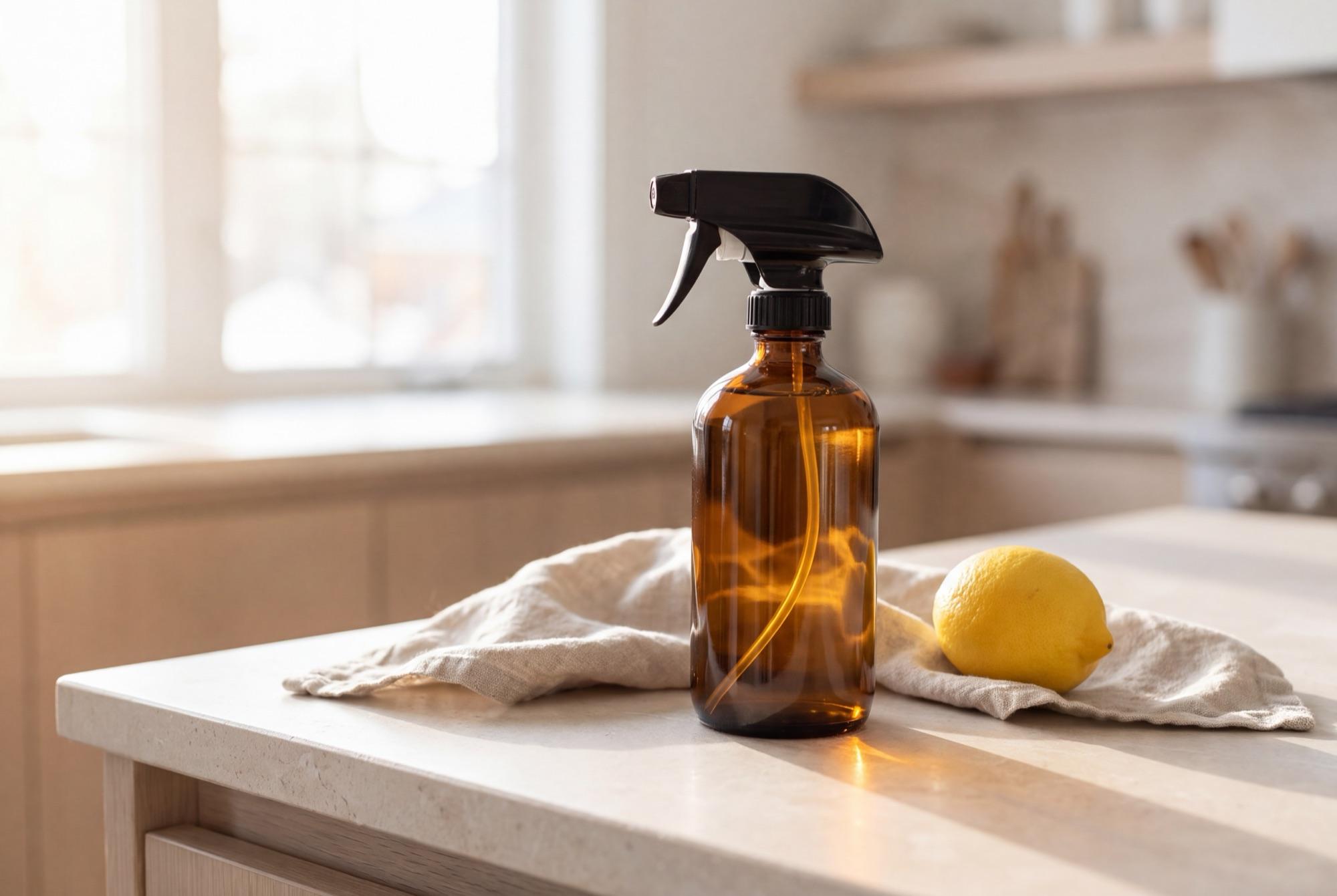
This is what you will be storing your essential oil in. They store best in dark glass and will stay fresher longer this way. Try to use one with an eyedropper attached to the lid to make distribution easier. Be cautious if using a bottle that previously held a different essential oil. It can be difficult to completely clean the bottle and remove all the residue and fragrance from the previous oil, which can affect the new oil that will be placed in it.
Instructions
Grate all of your oranges into a bowl. If you don’t have a grater, you may simply peel the oranges but do so very carefully. Remember that if any fruit gets into the mixture you run the risk of bacteria growing in the oil over time. If you have been saving the peels you can grate them if you can or leave them whole. Make sure that they have not spoiled. Once you have grated your desired number of oranges, let the rinds sit out for about an hour. Then transfer the rinds to your glass container. It should fill up the jar about halfway. Fill the rest of the container with your choice of oil all the way to the top and shake well.
Put the jar in a safe spot where it will receive enough sunlight to warm up a bit and leave it for about a week. Remember to shake the jar on occasion, at least twice a day. Feel free to leave the mixture longer, up to two weeks.
After the soaking time has passed, open the jar and begin to strain the mixture. Remove all of the orange peel pieces but try not to let any oil go to waste. Once the straining has been completed, the oil that is left is your essential oil. You can begin the process again with a fresh batch of orange peels and oil if desired. Repeat the process as many times as you would like or as many times are needed to use up all of the orange peels. You are finished making your essential oil when it has reached the desired fragrance level.
Transfer the oil to a dark glass bottle and store it in a cool, dark place. The oil should be used within twelve months. Try adding a few drops of vitamin E oil to extend the life of your orange oil, if you are using cosmetically. If you are using the oil for cooking, feel free to store in a decorative glass container to store on your kitchen counter. Just check the oil before each use. If there is any concern that the oil has spoiled, discard the oil.